

5. Case study: Assessment of Biodiversity Conservation Potential of ISFM in Northern Ghana

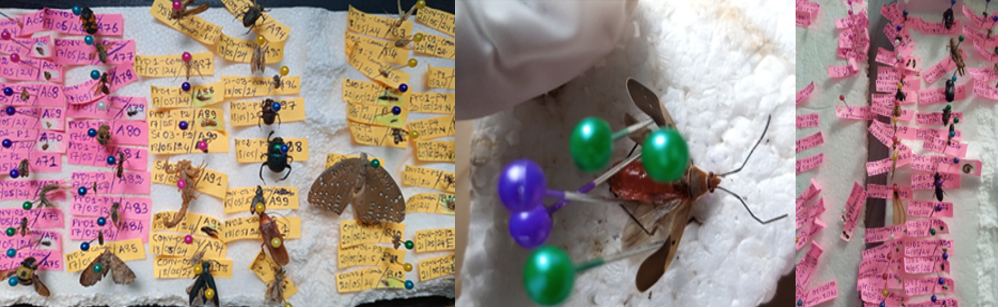
All biodiversity data generated in this case study were managed using standardized data-handling procedures. After sorting, the pinned arthropods representing the different morphospecies (in dry state) and the unpinned ones (preserved in ethanol) were kept at a laboratory in the University for Development Studies (UDS) together with complete metadata, including sampling dates, GPS coordinates of sampling sites, land-use types, trap types (pitfall and COMBI), sampling effort, and processing method. The processed information (i.e., results) was organized in interoperable, non-proprietary formats to facilitate analysis and integration across sites and sampling periods.
In line with the FAIR data principles, the results were documented and structured for sharing and reuse within the project. This approach enabled synthesis of results across the different tasks and work packages and ensured that the biodiversity information generated contributed to broader objective of the project.