

5. Case study: Assessment of Biodiversity Conservation Potential of ISFM in Northern Ghana

To capture the effects of management practices associated with different agricultural systems on on-farm biodiversity, ISFM and conventional agriculture, representing the focal agricultural land-use systems of the project, were selected as driver surrogates. Biodiversity within each of these systems was compared with that of relatively undisturbed reference areas within the sampling zones.
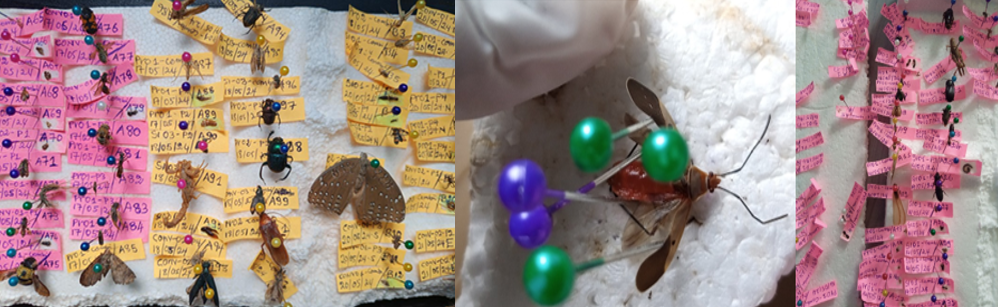
In addition, terrestrial arthropods were selected as species surrogates because of their high diversity, ecological sensitivity to land-use change, and wide representation across trophic levels and habitat strata (Hackman et al., 2017). Given the taxonomic constraints associated with identifying all arthropods to species level, morphospecies were used as taxonomic surrogates for formally described species, allowing rapid, consistent, and cost-effective assessment of biodiversity patterns across land-use systems while retaining ecological relevance.