


4.1 The rapid biodiversity assessment concept
Rapid biodiversity assessments (RBAs) are widely used because comprehensive monitoring of all species is often impractical (Duelli, 1997; Magurran, 2004; Obrist and Duelli, 2010). They provide timely and cost-effective estimates of biodiversity, particularly in areas undergoing rapid environmental change or where biodiversity data and taxonomic expertise are limited (Rodrigues and Brooks, 2007).
RBAs typically use standardized sampling methods, short survey periods, and biodiversity surrogates to reduce logistical and taxonomic constraints. These surrogates are commonly grouped into three categories: driver-surrogates, species-surrogates, and taxonomic surrogates.
Driver-surrogates represent factors that influence biodiversity patterns. Among these, land use is one of the most important because it affects habitat quality, fragmentation, and ecological processes (Foley et al., 2005; Caro, 2010; Newbold et al., 2015).
Species-surrogates use selected taxa that reflect broader biodiversity patterns. Terrestrial arthropods are frequently used because of their high diversity, ecological sensitivity, and widespread occurrence across habitats (Duelli, 1997; Rodrigues and Brooks, 2007).
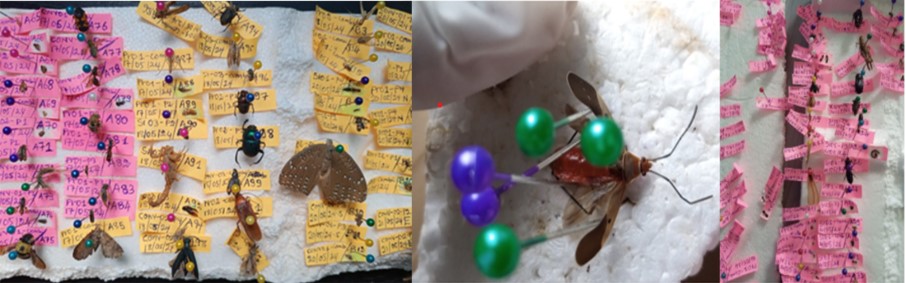
Taxonomic surrogates, particularly morphospecies, help overcome limitations in taxonomic expertise. Morphospecies are groups distinguished by consistent morphological characteristics rather than formal identification and have been shown to provide reliable estimates of species richness and abundance patterns (Oliver and Beattie, 1995; Basset et al., 2008; Obrist and Duelli, 2010).
Although RBAs cannot replace long-term monitoring, they provide practical and scientifically defensible information for conservation planning, land-use management, and environmental decision-making.