


4.2.2 Observation and Monitoring Equipment
Observation and monitoring equipment plays a crucial role in biodiversity assessment by allowing species to be recorded without direct capture or disturbance. These tools are particularly valuable for studying mobile, elusive, or sensitive organisms that are difficult to sample using traditional field methods. By enabling continuous or repeated monitoring over time, observation-based equipment provides insights into species presence, behavior, and activity patterns. Such methods are widely used in biodiversity surveys across terrestrial ecosystems and are increasingly important for long-term ecological monitoring and conservation planning.
Observation and monitoring equipment includes a range of tools designed to detect organisms through visual, photographic, or acoustic means.
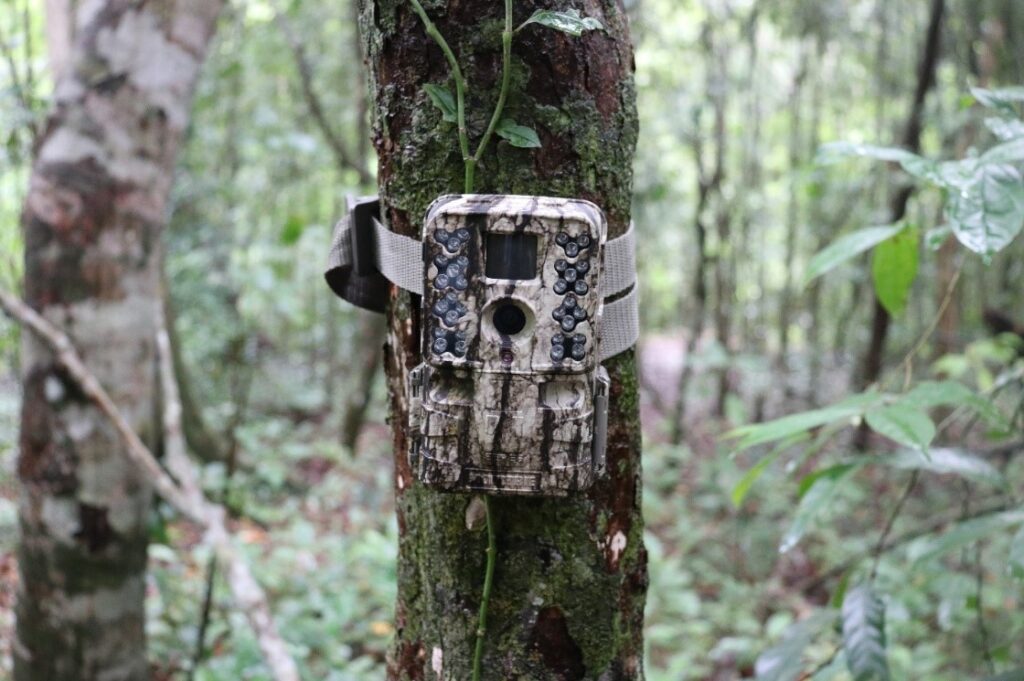
Camera traps are commonly used to monitor mammals and ground-dwelling birds, especially nocturnal or shy species, by automatically recording images or videos when motion is detected.
Camera traps used to monitor mammals and ground-dwelling birds.
Binoculars and spotting scopes support visual surveys of birds and other wildlife, enabling species identification from a distance with minimal disturbance.
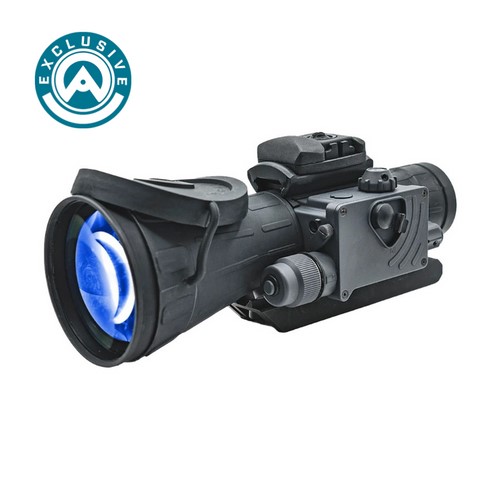
Binoculars and spotting scopes for visual surveys of birds and other wildlife.
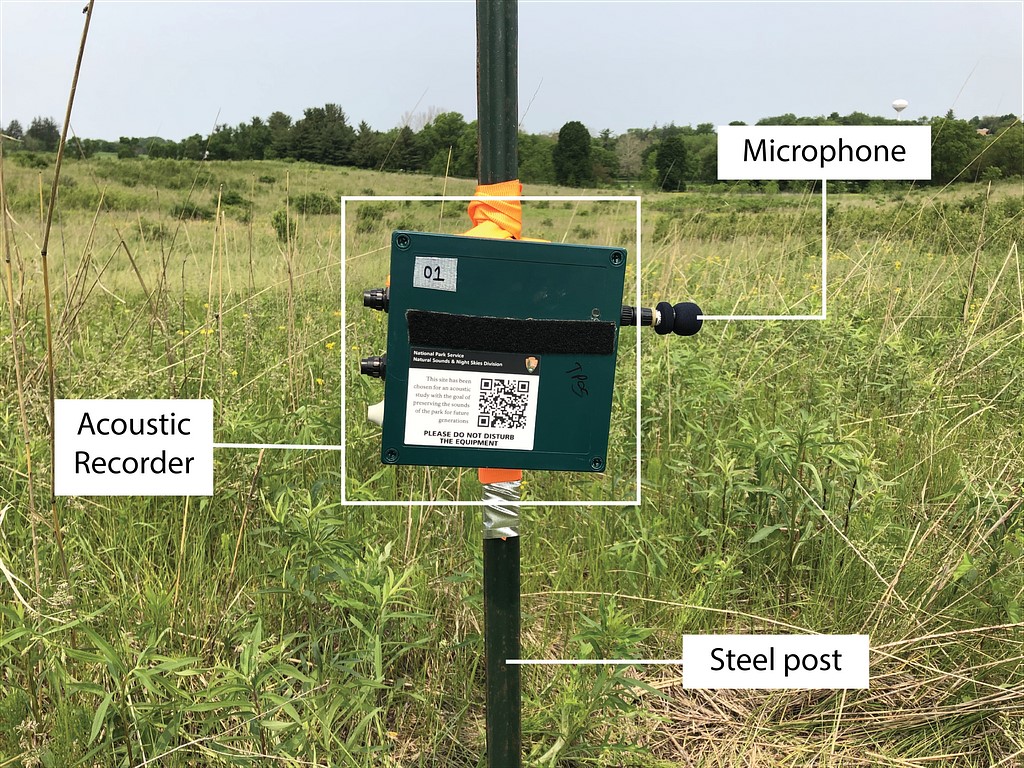
Acoustic monitoring devices are used to record sounds produced by animals such as birds, amphibians, insects, and bats. These devices allow researchers to detect species that may be difficult to observe visually and are particularly effective for nocturnal or cryptic taxa. In aquatic and forest environments, acoustic monitoring supports continuous data collection over extended periods.
Acoustic monitoring devices used to record sounds produced by animals such as birds, amphibians, insects, and bats.