


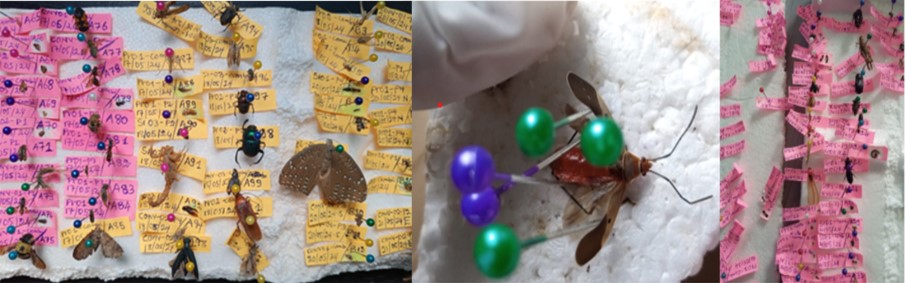
The selection of appropriate biodiversity assessment equipment is a critical step in ensuring the accuracy, reliability, and relevance of ecological data. Because biodiversity varies across ecosystems, taxa, and spatial scales, no single piece of equipment can adequately capture all aspects of biological diversity. Poorly chosen tools may lead to biased results, incomplete datasets, or inefficient use of time and resources. Therefore, the choice of biodiversity assessment equipment must be guided by clear scientific objectives, environmental context, and practical constraints.
4.2.1 Field sampling equipment
Field sampling equipment is essential for biodiversity assessment, allowing direct and systematic collection of data on species presence, abundance, and distribution. It is especially useful for plants, insects, and soil organisms, and remains important due to its reliability, affordability, and effectiveness for detailed ecological studies.
Quadrats are simple, square or rectangular frames used to assess plant diversity and ground cover within a defined area. They allow for standardized recording of species composition, abundance, and vegetation density, making them particularly useful for comparing plant communities across different sites or time periods.
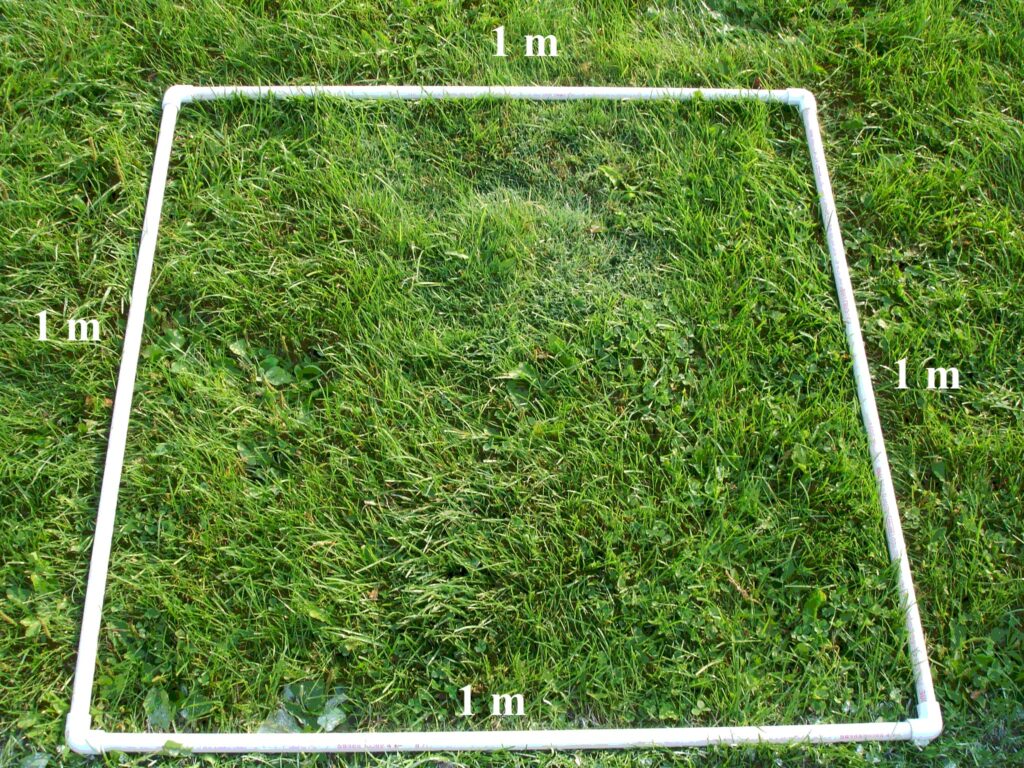
Quadrat for plant diversity and ground cover assessment
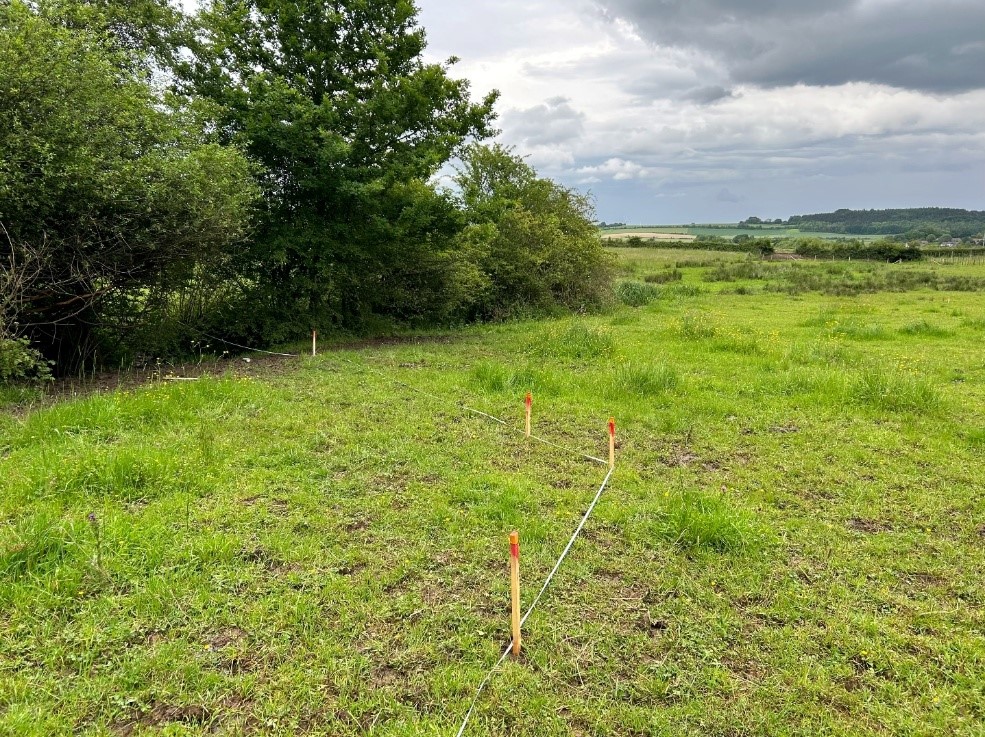
Transects are used to conduct systematic surveys by laying a measured line across a habitat. Species are recorded at regular intervals along the transect, enabling researchers to study changes in biodiversity across environmental gradients or habitat types.
Transect for systematic survey of biodiversity
Pitfall traps are commonly used to sample insects and other ground-dwelling arthropods. They consist of containers sunk into the soil that capture organisms moving across the ground surface, providing information on species diversity and activity patterns.
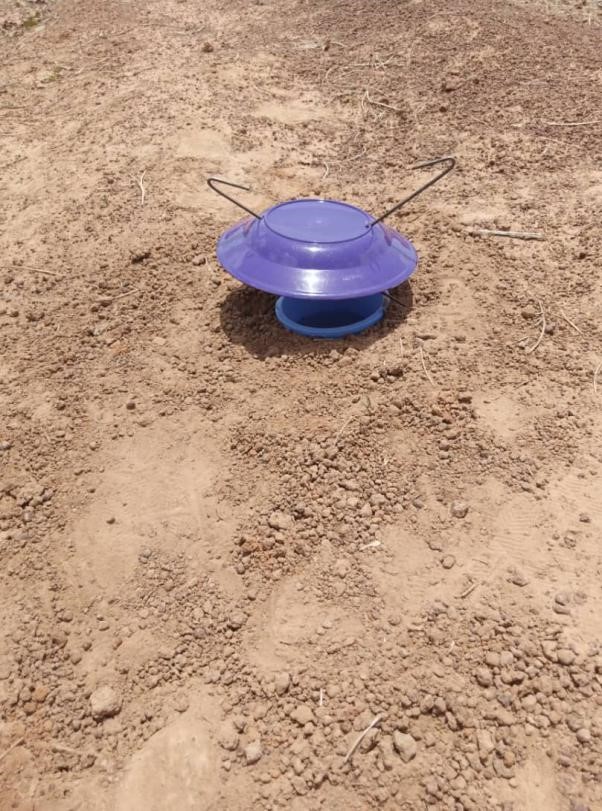
Pitfall traps were used to sample ground-dwelling arthropods inhabiting the understorey ecosystem.
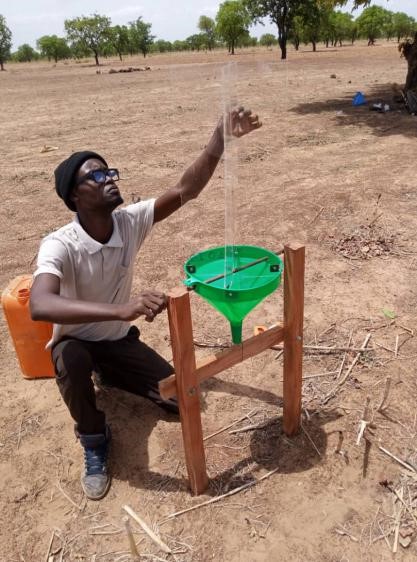
COMBI traps are commonly used to sample arboreal and flying arthropods that inhabit the vegetation and lower canopy layers. They consist of a combined pan trap and flight-interception structure mounted above ground level, which captures organisms moving through the air and vegetation strata. By intercepting flying insects and attracting visually oriented taxa, COMBI traps provide information on species diversity, abundance, and activity patterns of arboreal arthropods, complementing data obtained from ground-based sampling methods.
COMBI traps used to sample arboreal and flying arthropods that inhabit the vegetation and lower canopy layers.
Sweep nets are hand-held nets used to collect flying and vegetation-dwelling insects by sweeping through grasses, shrubs, or crops. They are effective for rapidly sampling insect diversity, especially in open habitats such as grasslands and agricultural fields.
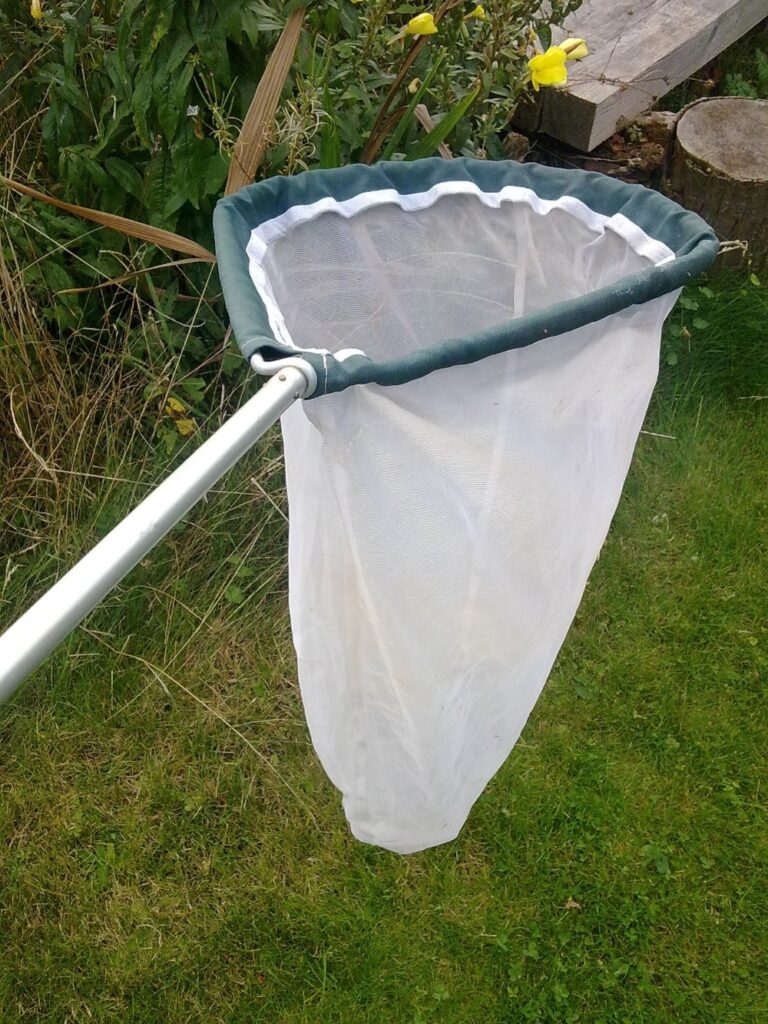
Sweep nets for the collection flying and vegetation-dwelling insects.
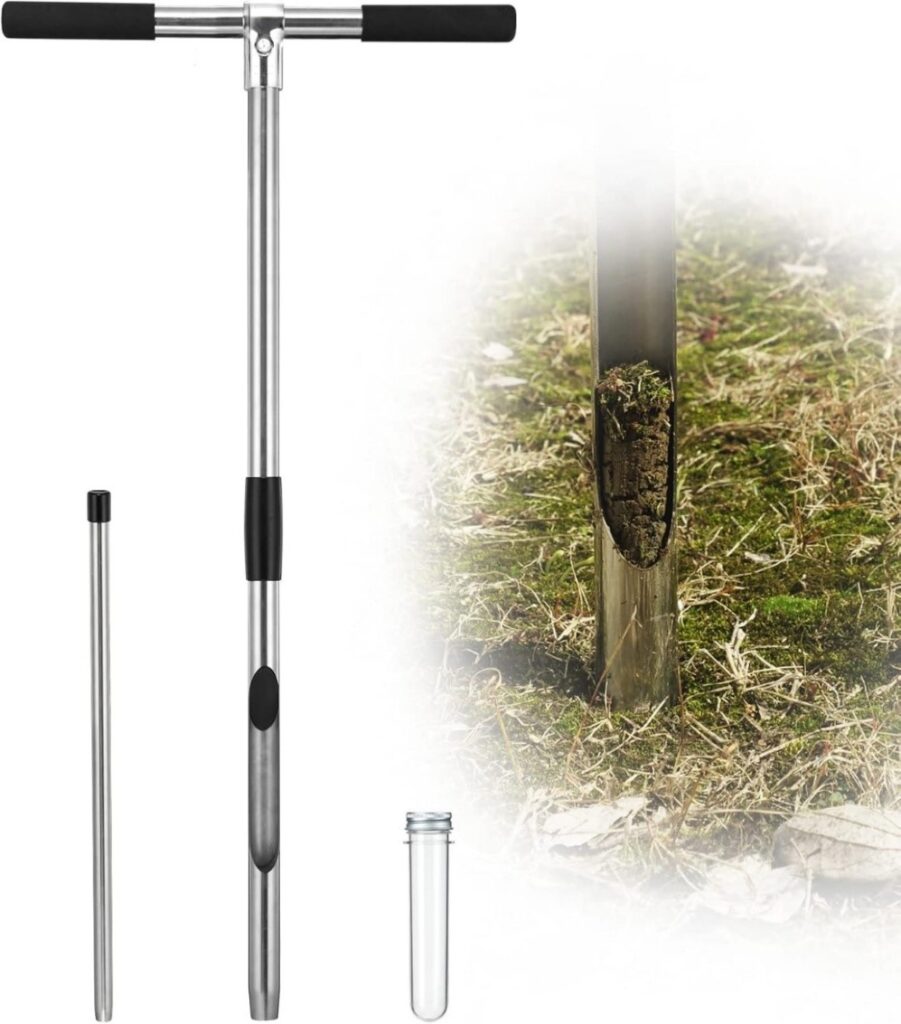
Soil corers and augers are tools used to extract soil samples for the assessment of soil biodiversity, including earthworms and microorganisms. These samples allow researchers to analyze species composition, abundance, and biological activity within the soil ecosystem.
Soil corers and augers used to collect soil samples for assessing soil biodiversity.