


Low-cost sensors & Microcontrollers in depth
When you think of an application for a low-cost sensor, do you want to perform a single measurement or a long series of measurements with a permanent deployment?
This is actually a very crucial question, because depending on this, our setup has to look like or be adapted.
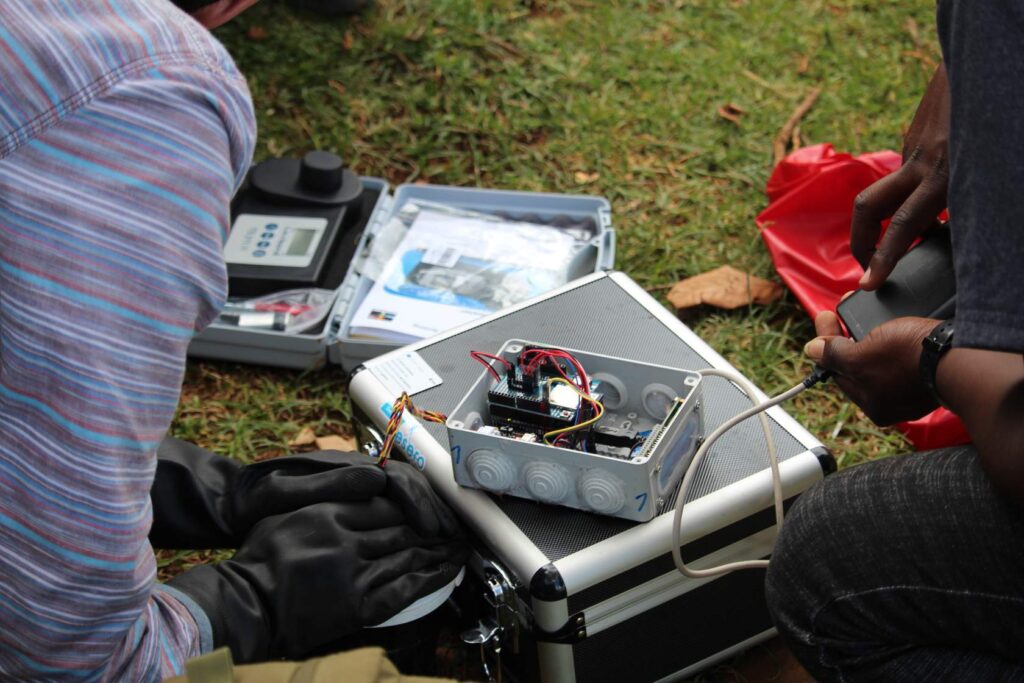
If we only want to carry out a short term measurement, for example, we can write the measurement data to an SD card and our setup can remain quite simple.
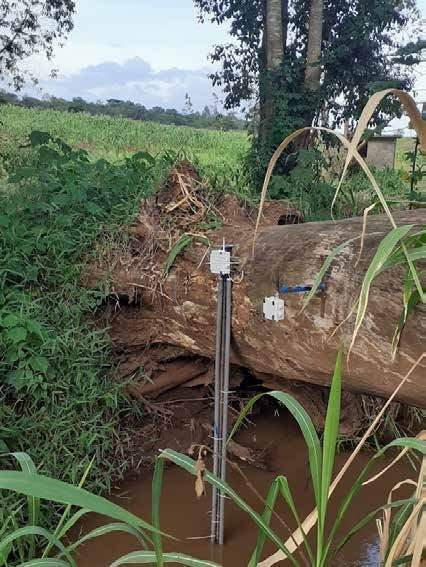
However, if we want to set up the setup over a longer period of time, we need to protect the setup from weather influences (rain, humidity, heat, etc.) and, due to the large amount of data, we may need to save the data via the internet. To do this, however, we need either WIFI or an additional SIM card module on our microcontroller.
Here you can see the advantages and disadvantages of both methods.
SURVEY-BASED
Pros
- The set-up does not have to be weatherproof
- Inexpensive to build
- More mobile
Cons
- Limited data over short period
- If we need data from more than one day, several field visit are necessary
PERMANENT DEPLOYMENT
Pros
- More data and over a longer period
- If everything works, just one field visit is necessary to deploy it
Cons
- The set-up needs to be weatherproof
- The set-up is overall more expensive to build
- Less mobile
- Additional costs may be incurred through the use of a SIM card or WIFI

Calibration
Calibrations, both external and internal, are essential for ensuring the accuracy, reliability, and usefulness of low-cost environmental monitoring sensors. They correct for inherent inaccuracies, environmental influences, sensor drift, and aging, ensuring precise and consistent measurements. Calibration enhances data quality, reliability, and comparability, meeting regulatory standards and building user confidence. Regular calibration is vital for the optimal performance and cost-efficiency of sensor networks, providing trustworthy data for informed decision-making in environmental management and public health.
External Calibration
External calibration involves comparing sensor measurements with a high-precision reference instrument. This process typically includes placing the low-cost sensor alongside the reference device, collecting simultaneous data, and adjusting the sensor readings to match the reference data.
Internal Calibration
Internal calibration uses the sensor’s built-in mechanisms and algorithms to maintain or improve accuracy without external reference instruments. This can include self-calibration routines, internal standards, and environmental compensation models.
- Both internal and external calibration are crucial for accurate low-cost environmental monitoring.
- External calibration offers high precision and comprehensive error correction, ideal for validating sensor performance but is resource intensive.
- Internal calibration provides continuous, real-time adjustment and is cost-effective, though it may not match external calibration’s precision.
- Combining both methods leverages their strengths, ensuring long-term reliability and accuracy. Comprehensive Adjustment: It can correct for a wide range of errors, including those caused by environmental factors like temperature, humidity, and pressure.

Uncertainties and errors in low-cost sensor setups for environmental monitoring can arise from spatial inaccuracies, misinterpretation of data, measurement limitations, and tool handling mistakes. Understanding and mitigating these uncertainties is crucial for improving the reliability and usefulness of the data collected by low-cost sensors.
SPATIAL UNCERTAINTY
Sensor Placement
Variations in location can affect readings due to local condition.
Spatial Resolution
Lower resolution compared to high-end instruments.
Mapping Errors
Geographic Information System (GIS) mapping and data interpolation errors can introduce spatial inaccuracies.

INTERPRETATION UNCERTAINTY
Data Processing
Inaccurate algorithms can lead to incorrect interpretations.
Contextual Factors
Insufficient environmental context can cause misinterpretation.
Human Factors
Subjective judgment and bias by analysts.

MEASUREMENT UNCERTAINTY
Sensor Accuracy
Low-cost sensors often have higher measurement uncertainty.
Calibration
Infrequent calibration can result in drift and bias.
Environmental Conditions
Temperature, humidity, and interference can affect performance.
Resolution and Sensitivity
Limited sensor resolution and sensitivity increase uncertainty.
TOOL HANDLING ERRORS
Installation and Maintenance
Improper handling can lead to erroneous readings.
User Error
Mistakes during setup or data collection.
Software Issues
Bugs in sensor software.
Power Supply
Inconsistent power supply affects performance.


“Anything that can go wrong will go wrong.” -Murphy’s Law
As we have already learnt, working with low-cost sensors and self-developed setups is always associated with challenges. Good preparation and planning is therefore important to avoid problems from the outset.
Here are some examples of common problems and solutions that you may encounter in practice:
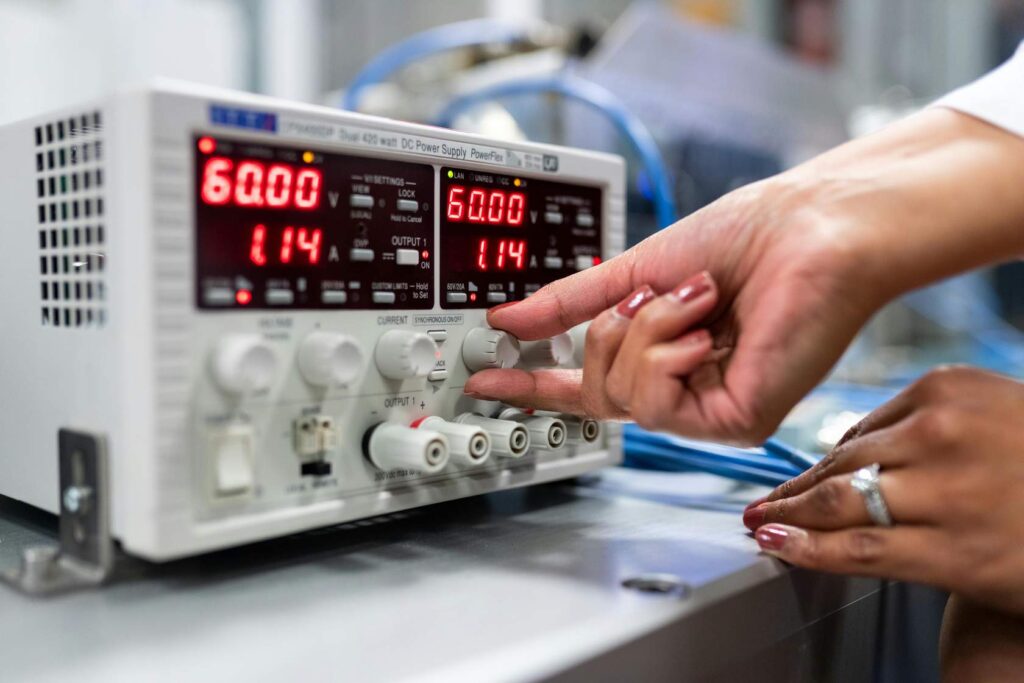
Regular Calibration:
Perform regular external and internal calibrations to maintain sensor accuracy and account for drift and environmental influences.
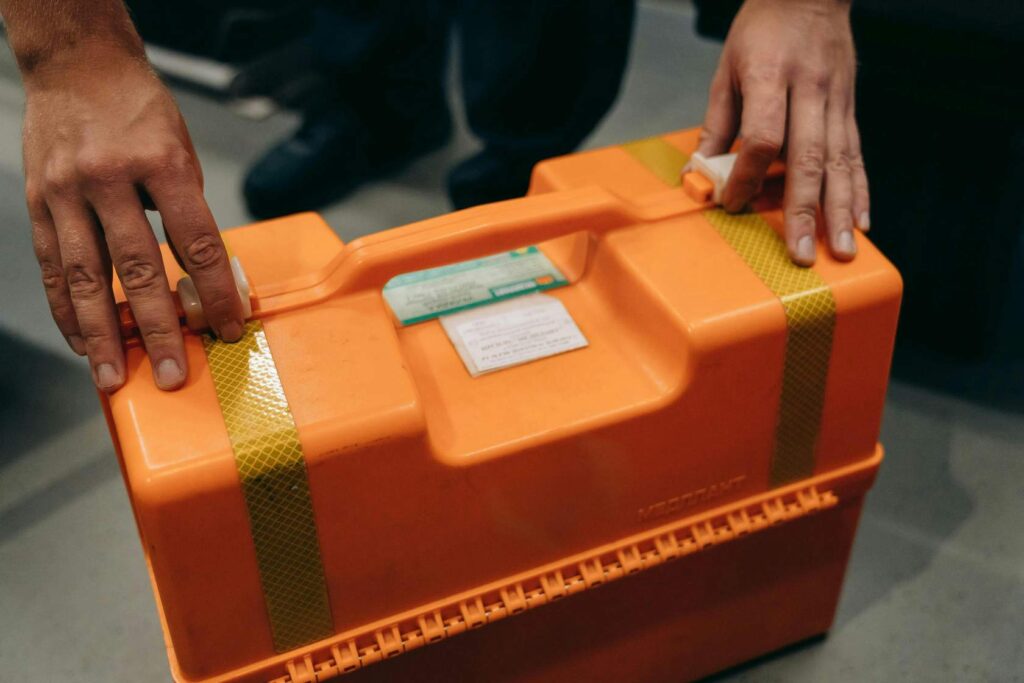
Environmental Protection:
Use protective casings and ensure proper installation to shield sensors from harsh environmental conditions and physical damage.
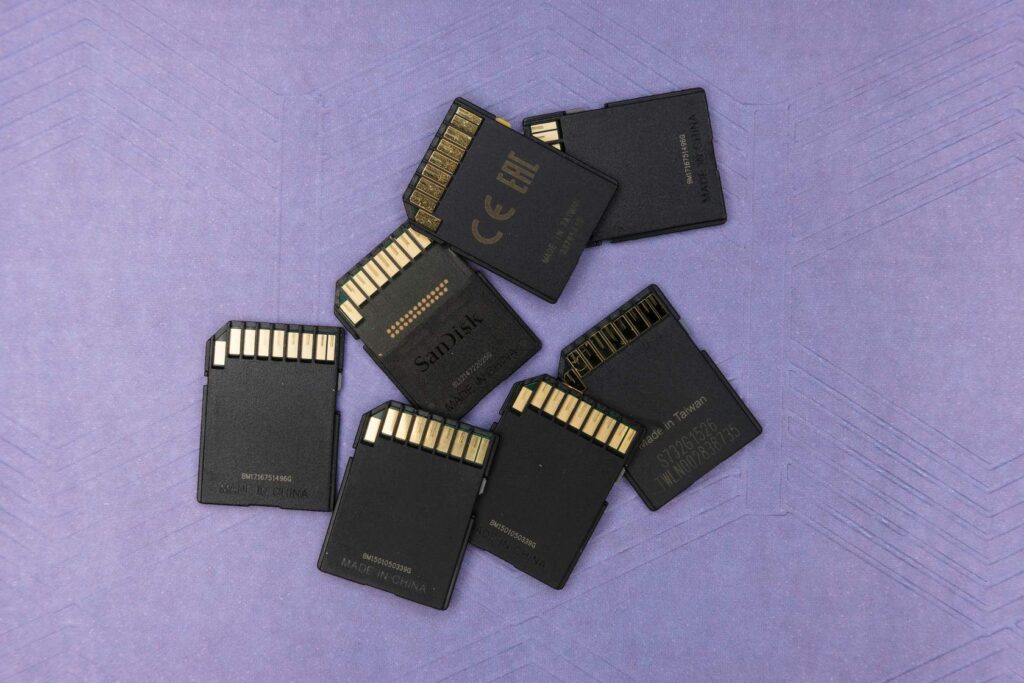
Back Up Your Data Redundantly:
Save data both locally on an SD card and via internet in cloud storage to prevent data loss.
Documentation and Metadata:
Keep detailed records of sensor locations, calibration dates, environmental conditions, and any maintenance activities. It will save time for your future you!

On-Site Data Checks:
Use a laptop or LCD display to check data on-site, allowing immediate intervention if issues are detected.

Maintenance Schedule:
Establish a regular maintenance schedule to clean and inspect sensors, ensuring they remain in optimal working condition.

Postprocessing
Clean up corrupted or incomplete data and calibrate and correct your data for accuracy.

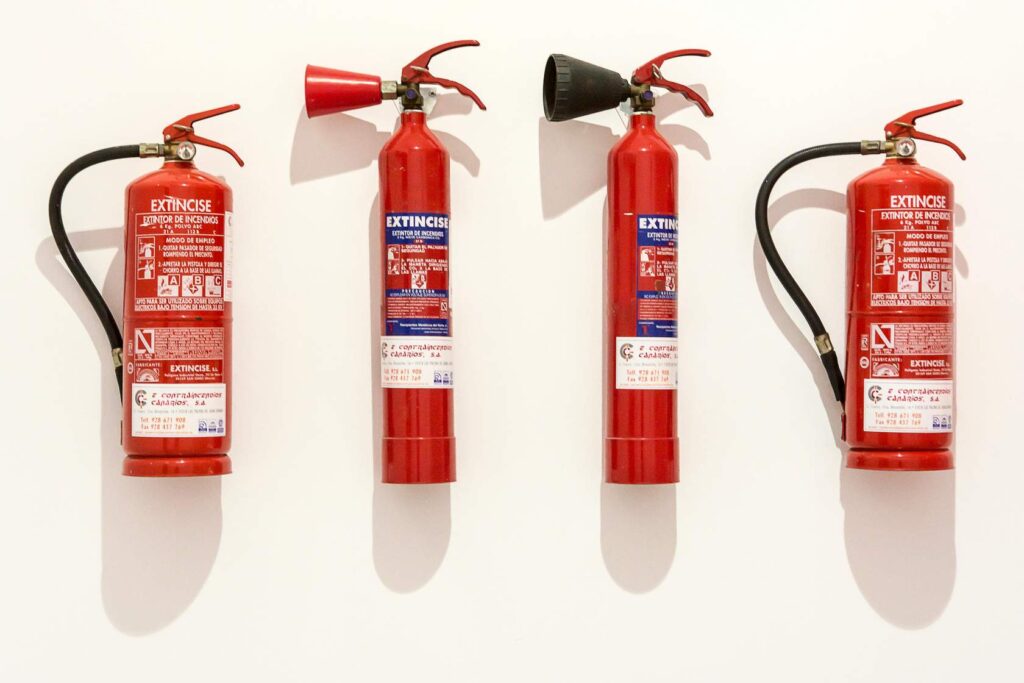
Redundancy in Sensor Deployment:
Deploy multiple sensors in critical areas to cross-verify data and account for individual sensor errors.
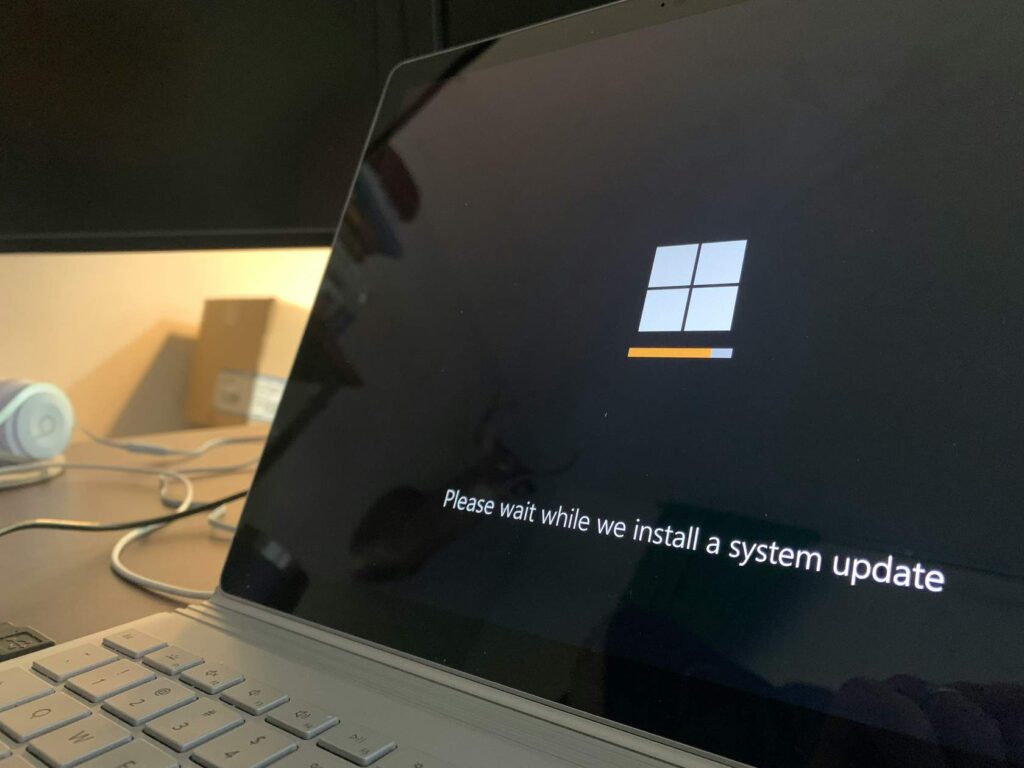
Software Updates:
Regularly update sensor firmware and data processing software to benefit from improvements and bug fixes.
Power Management:
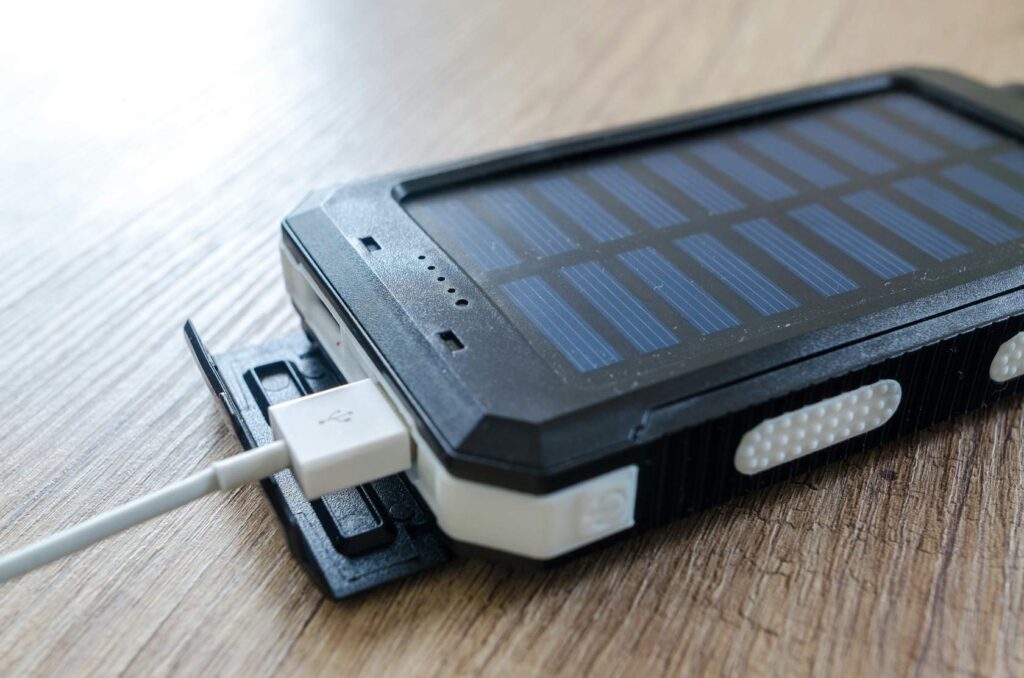
Ensure a reliable power supply, including battery backups or solar power solutions, to maintain continuous operation for permanent deployments.

Have you already encountered some more issues in your own projects?

- What microcontrollers and low-cost sensors are and for what they can be used.
- We have seen a variety of different microcontrollers and low-cost sensors and their use cases.
- We know for what we can use a survey-based and for what we can use permanent-deployments approaches.
- We have learned the importance of calibration and can distinguish between external and internal calibration of sensors.
- We discussed the problems with microcontrollers and low-cost technologies and learnt what we need to pay particular attention to.
- Useful tips and tricks for your own project ideas, especially for your own field campaigns.